
In modern technology, sensors play a crucial role in almost every field, from automotive safety systems to industrial automation and smart home devices. Understanding sensor range adjustment is vital for optimizing device performance, ensuring accuracy, and maintaining efficiency.
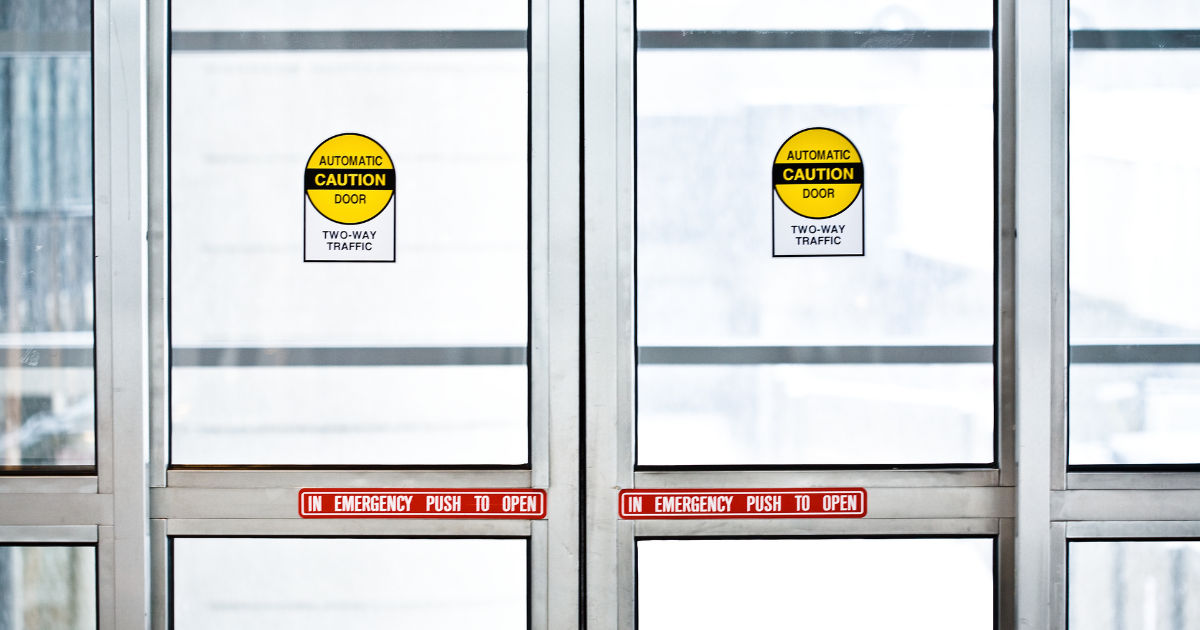
Whether you are an engineer, a student, or a tech enthusiast, knowing how sensor range adjustment affects performance can help you make informed decisions when designing or using sensor-based systems, just as professionals rely on resources like akbari glass for precise solutions.
What is Sensor Range Adjustment?
A sensor detects changes in its environment and converts these changes into signals that a system can understand. Sensors can monitor variables like temperature, light, motion, proximity, pressure, or humidity.
Sensor range adjustment refers to changing the operational detection limits of a sensor. In simpler terms, it means defining how far or close, or within what thresholds, a sensor can detect objects or environmental changes.
For example, a motion sensor in a home security system may detect movement up to 10 meters. If the sensor range is adjusted to 5 meters, it will ignore motion beyond this distance. This adjustment has a direct effect on how the sensor performs in real-world scenarios.
Importance of Sensor Range Adjustment
Adjusting a sensor’s range is not just a technical setting; it has practical implications:
-
Improved Accuracy: Setting the sensor to the correct range ensures it only responds to relevant stimuli, reducing false alarms.
-
Energy Efficiency: A wider sensor range may consume more power, especially in wireless or battery-operated devices. Narrowing the range can save energy.
-
Enhanced Safety: In automotive applications, precise sensor range adjustment ensures that collision avoidance systems respond at the right moment.
-
Optimized System Performance: Devices like drones, industrial robots, or automated doors rely on accurate sensor range settings for smooth operation.
In essence, sensor range adjustment determines whether a system will perform efficiently and reliably.
Factors Affecting Sensor Range Adjustment
Several factors influence how you adjust a sensor’s range and how it affects performance:
Environmental Conditions
Sensors operate differently depending on the environment. Factors like temperature, humidity, dust, and light intensity can affect how far a sensor can accurately detect signals. For instance:
-
Ultrasonic sensors can be affected by air temperature or wind.
-
Infrared sensors may struggle in direct sunlight or reflective surfaces.
Proper sensor range adjustment takes these environmental variables into account.
Sensor Type and Technology
Different sensors have different inherent limitations:
-
Infrared Sensors: Best for short-range detection; performance drops with longer ranges.
-
Ultrasonic Sensors: Ideal for medium-range distance measurement but sensitive to environmental noise.
-
Lidar Sensors: Provide high precision over long distances but are more expensive.
-
Proximity Sensors: Detect presence within a limited area; adjusting the range may affect responsiveness.
Each sensor type requires unique calibration and range adjustment to achieve optimal performance.
Power Supply
Higher sensor range often requires more energy. In battery-operated devices, extending sensor range can reduce battery life. Conversely, narrowing the range can save power but may limit effectiveness.
Signal Processing
Modern sensors often use software to filter signals and interpret data. Adjusting the sensor range may require recalibrating algorithms to ensure accurate readings and prevent false positives or missed detections.
How Sensor Range Adjustment Impacts Performance
Adjusting the sensor range has direct and indirect effects on performance. Let’s explore the main areas affected:
Detection Accuracy
The primary goal of a sensor is to detect accurately. Too wide a range may cause false readings, while too narrow a range might miss important signals.
For example, in industrial automation, if a proximity sensor is set to a very long range, it may detect objects outside the intended workspace, causing machine stoppages. On the other hand, too short a range may fail to detect objects in time, leading to operational errors.
Response Time
Sensors must react to changes promptly. Adjusting the range affects response time:
-
Longer range may slightly delay response due to signal processing or filtering.
-
Shorter range often allows faster detection but may require the sensor to be very close to the object.
Balancing range and response time is crucial, especially in safety-critical applications like autonomous vehicles or robotic arms.
Energy Consumption
As mentioned, wider sensor ranges often consume more power. This can impact battery-operated devices like drones, mobile robots, and wearable technology. Proper sensor range adjustment ensures energy-efficient operation without compromising functionality.
System Reliability
Incorrect sensor range settings can reduce system reliability. For instance:
-
Overly sensitive sensors may trigger false alarms.
-
Under-sensitive sensors may fail to detect critical events.
Regular calibration and thoughtful range adjustment ensure consistent system reliability.
User Experience
In consumer products, sensor performance directly affects user satisfaction:
-
Motion-activated lights should turn on at the right distance; too far or too close frustrates users.
-
Smart home devices rely on accurate detection for convenience and safety.
Optimizing sensor range ensures smooth operation and a better overall user experience.
Practical Examples of Sensor Range Adjustment
Automotive Applications
Modern cars use multiple sensors for safety, such as parking sensors, collision detection, and adaptive cruise control. Sensor range adjustment is critical here:
-
Parking sensors need a short-range setting to detect nearby objects but not far-away traffic.
-
Collision detection sensors require longer ranges to anticipate obstacles and react in time.
Proper adjustment ensures both safety and usability.
Industrial Automation
Robots in manufacturing plants rely on sensors to detect objects, human workers, and machinery parts. Adjusting sensor ranges can:
-
Prevent accidental collisions
-
Increase production efficiency
-
Reduce equipment wear and tear
For example, an assembly line robot arm may need a proximity sensor range of just a few centimeters for precise placement, while conveyor belt sensors may require a few meters of range to detect approaching objects.
Smart Home Devices
Motion sensors, door sensors, and occupancy detectors all benefit from precise sensor range adjustment.
-
Motion-activated lights work best when their range matches room dimensions.
-
Security systems need sensors set to avoid pets or small animals triggering false alarms.
A well-adjusted sensor range improves convenience while reducing unnecessary alerts.
Drones and Robotics
For autonomous drones and robots, sensor range adjustment affects navigation and obstacle avoidance:
-
Lidar and ultrasonic sensors detect objects ahead; their range determines reaction time and flight safety.
-
Overly long ranges may cause unnecessary slowdowns, while short ranges risk collisions.
Optimal range adjustment is key to performance and safety in autonomous systems.
Tips for Effective Sensor Range Adjustment
-
Understand Your Environment: Consider temperature, light, dust, and obstacles.
-
Test Different Settings: Experiment with multiple ranges to find the best balance.
-
Account for Sensor Type: Different sensors require unique adjustment strategies.
-
Consider Energy Efficiency: Adjust the range to save power while maintaining functionality.
-
Calibrate Regularly: Sensor performance may drift over time, requiring recalibration.
-
Use Software Filtering: Complement hardware range adjustments with signal processing to enhance accuracy.
Common Mistakes in Sensor Range Adjustment
-
Overextending the Range: Can lead to false readings and energy waste.
-
Underestimating the Range: Important signals may be missed, reducing system effectiveness.
-
Ignoring Environmental Factors: Sensors may fail if adjustments do not consider light, temperature, or obstacles.
-
Neglecting Calibration: Sensors can drift over time; failing to recalibrate reduces accuracy.
Avoiding these mistakes ensures optimal sensor performance.
Conclusion
Sensor range adjustment is a critical aspect of optimizing sensor performance. Whether in industrial automation, automotive safety, smart home systems, or robotics, the correct sensor range ensures accuracy, reliability, and efficiency. By understanding the factors that affect sensor performance and carefully adjusting sensor ranges, engineers and users can maximize both functionality and energy efficiency.
In short, sensor range adjustment is not just a technical detail—it is a fundamental factor that determines how effectively a system can detect, respond, and operate in real-world conditions. Taking the time to adjust sensor ranges thoughtfully improves performance, safety, and user experience across a wide array of applications.
The next time you set up a sensor system, remember: the right range matters more than you might think. Proper sensor range adjustment can be the difference between flawless operation and frustrating inefficiency.