
When it comes to modern construction, sustainability is no longer just an option—it’s a necessity. At the forefront of this movement is Akbari Engineering, a company dedicated to providing innovative building solutions.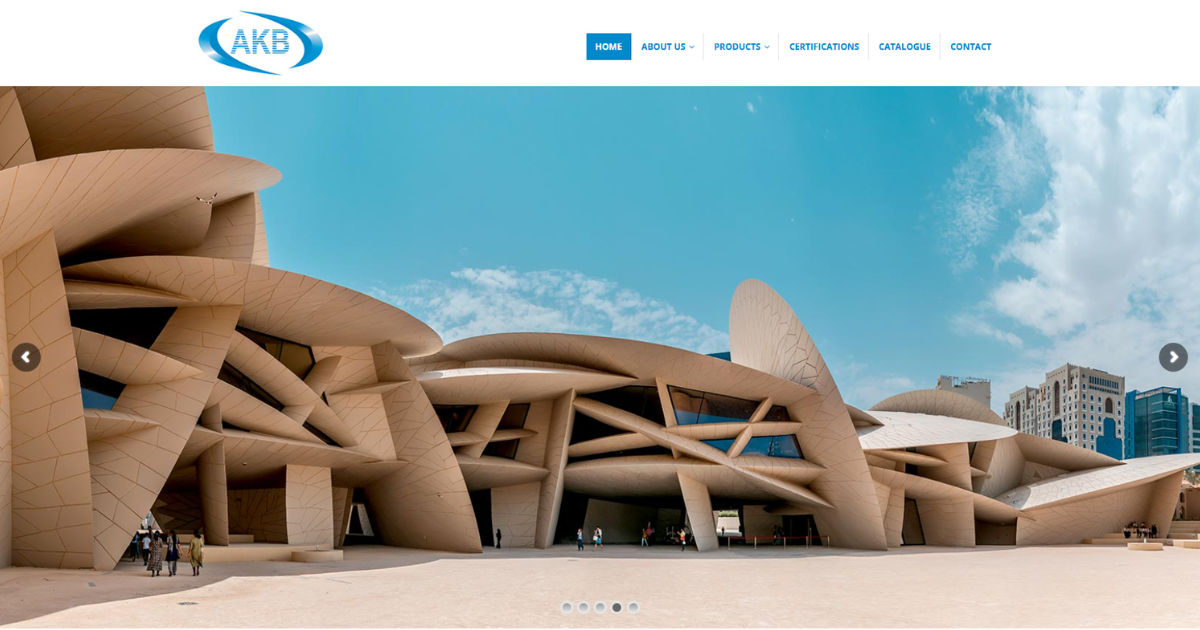
One product that has gained immense popularity in recent years is the Aluminum Composite Panel (ACP). According to Akbari Engineering, known for its lightweight design, durability, and aesthetic appeal, ACP panels are commonly used in both commercial and residential projects.
However, the question many architects, builders, and environmentally-conscious individuals ask is: how recyclable are ACP panels? This guide will explore the sustainability, recycling potential, and environmental impact of ACP panels in detail.
What Are ACP Panels?
Aluminum Composite Panels, commonly called ACP panels, are sandwich panels made of two thin layers of aluminum bonded to a non-aluminum core. The core is typically made of polyethylene (PE) or a fire-resistant mineral material. This combination gives ACP panels their signature strength, flexibility, and lightweight properties.
They are widely used for:
-
Building facades
-
Interior wall cladding
-
Signboards and advertising displays
-
False ceilings
The versatility of ACP panels, combined with their aesthetic finishes—such as metallic, wood, or matte textures—makes them a top choice for architects and designers. Akbari Engineering has been instrumental in promoting eco-friendly ACP solutions that aim to minimize environmental impact while maintaining performance and durability.
Environmental Concerns with Traditional ACP Panels
While ACP panels offer numerous benefits, traditional designs have raised concerns regarding environmental sustainability:
-
Non-biodegradable cores: Most ACP panels have a polyethylene (PE) core, which does not break down naturally.
-
Energy-intensive production: The manufacturing of aluminum requires a high amount of electricity, contributing to carbon emissions.
-
Waste generation: Large quantities of ACP panels are discarded during construction, renovation, or demolition.
Because of these factors, recycling ACP panels has become a critical topic for sustainable construction practices.
Types of ACP Panels and Their Recyclability
The recyclability of ACP panels depends significantly on their composition.
PE Core ACP Panels
These are the most common type of ACP panels, made of aluminum sheets with a polyethylene core. While aluminum itself is highly recyclable, the PE core poses challenges. Separating aluminum from the plastic core requires specialized mechanical or chemical processes. Without proper separation, the entire panel may end up in a landfill.
Fire-Resistant (FR) ACP Panels
FR ACP panels use a mineral-filled core instead of PE. This makes them safer for building codes that demand fire-resistant materials. Their cores are somewhat easier to recycle compared to PE-based cores because mineral-filled cores can often be repurposed in construction aggregates.
Eco-Friendly ACP Panels
Innovative solutions are now available, including panels that use recycled aluminum and cores made of biodegradable or recyclable materials. Akbari Engineering is actively promoting these eco-friendly panels, which can be disassembled and reused without significant environmental impact.
The Recycling Process of ACP Panels
Recycling ACP panels is not as straightforward as recycling pure aluminum sheets. The process generally involves the following steps:
-
Collection and Sorting
ACP panels from demolition sites or unused stock are collected and sorted by type—PE core, FR core, or eco-friendly core. -
Mechanical Shredding
Panels are shredded into small pieces to make separation easier. -
Separation of Aluminum and Core
Specialized machines or chemical processes separate the aluminum layers from the core material.-
Aluminum can then be melted and reused in manufacturing.
-
PE cores can sometimes be converted into fuel or plastic products.
-
Mineral cores can be crushed and used in cement or road construction.
-
-
Refinement
Aluminum extracted from ACP panels is refined to remove impurities before it can be used for new panels or other products.
While this process is effective, it requires proper facilities and expertise. Not all recycling plants are equipped to handle ACP panels, which limits large-scale recycling.
Advantages of Recycling ACP Panels
Recycling ACP panels offers several environmental and economic benefits:
-
Reduction of landfill waste: Diverting ACP panels from landfills reduces the volume of non-biodegradable waste.
-
Resource conservation: Recycled aluminum requires up to 95% less energy than producing new aluminum from raw ore.
-
Economic benefits: Companies can save costs by using recycled aluminum in manufacturing instead of fresh material.
-
Sustainability branding: Builders and developers using recyclable ACP panels demonstrate a commitment to green construction.
Akbari Engineering emphasizes these advantages, encouraging contractors and architects to consider panel recyclability when selecting materials.
Challenges in Recycling ACP Panels
Despite the benefits, recycling ACP panels has several challenges:
-
Separation difficulty: The bond between aluminum and the core material is strong, making separation labor-intensive.
-
Lack of recycling infrastructure: Many regions do not have facilities capable of processing ACP panels.
-
Quality degradation: Recycled aluminum may lose some properties if not processed correctly.
-
Cost constraints: Recycling ACP panels can be more expensive than disposing of them in landfills, discouraging some businesses from adopting recycling practices.
Addressing these challenges requires policy support, technological innovation, and awareness campaigns, all areas where Akbari Engineering has contributed significantly.
Best Practices for Maximizing ACP Panel Recycling
To make ACP panel recycling more efficient and environmentally friendly, the following practices are recommended:
-
Select eco-friendly panels from the start
Opt for ACP panels with recyclable cores and minimal chemical additives. -
Plan for deconstruction, not demolition
Design buildings so that ACP panels can be removed intact, reducing waste and preserving material quality. -
Partner with certified recyclers
Work with facilities that specialize in ACP panel recycling to ensure proper separation and processing. -
Implement take-back programs
Some manufacturers offer programs where old panels are collected and recycled, promoting circular economy principles. -
Educate construction teams
Training construction workers on proper panel handling and disposal can drastically improve recyclability.
Global Trends in ACP Panel Recycling
Across the world, sustainable construction practices are gaining traction:
-
Europe: Countries like Germany and the Netherlands have strict recycling mandates for building materials, including ACP panels.
-
Asia: Manufacturers are increasingly producing FR and eco-friendly panels to meet environmental standards.
-
Middle East: Governments are promoting green building certifications that include the use of recyclable panels.
Companies like Akbari Engineering are pioneering eco-conscious ACP solutions that align with these global trends, ensuring that construction projects can meet both aesthetic and environmental standards.
ACP Panels in Circular Economy
A circular economy aims to eliminate waste by continually reusing and recycling materials. ACP panels can fit into this model if designed and managed correctly:
-
Recycled aluminum can become new ACP panels.
-
PE cores can be converted into energy or new plastic products.
-
Mineral cores can supplement building aggregates.
This closed-loop system minimizes resource extraction and reduces environmental impact, making ACP panels not only recyclable but a sustainable choice for future construction projects.
Case Study: Successful ACP Recycling Programs
Several companies and construction projects have demonstrated the feasibility of ACP recycling:
-
Commercial Skyscrapers
Large buildings using FR ACP panels have implemented recycling programs during renovations, recovering over 70% of materials. -
Eco-friendly Residential Projects
Developers using biodegradable-core panels report reduced landfill waste and positive environmental audits. -
Manufacturer Take-Back Initiatives
Some ACP manufacturers collect old panels from construction sites and recycle them into new products, reducing the need for raw aluminum.
These examples illustrate that with proper planning and support, ACP panel recycling can be highly effective.
Future of ACP Panel Recycling
The future of ACP panel recycling looks promising due to technological advancements:
-
Automated separation machines are improving efficiency.
-
Chemical recycling methods allow for better recovery of aluminum and plastic cores.
-
Innovative eco-friendly cores reduce environmental impact while maintaining panel performance.
Companies like Akbari Engineering are investing in research and development to ensure ACP panels meet future sustainability standards while remaining affordable and visually appealing.
Conclusion
ACP panels have transformed modern architecture by offering lightweight, durable, and visually appealing solutions. However, their environmental impact cannot be overlooked. The recyclability of ACP panels depends on their core materials, with aluminum being highly recyclable and PE or mineral cores requiring specialized processing.
By choosing eco-friendly panels, planning for deconstruction, and partnering with recycling facilities, builders can significantly reduce the environmental footprint of ACP panels. Companies like Akbari Engineering are leading the charge, promoting sustainable practices and innovative solutions that make ACP panels a responsible choice for environmentally-conscious construction.
The future of construction lies in sustainability, and recycling ACP panels is a crucial part of this movement. With proper awareness, technology, and commitment, the construction industry can ensure that ACP panels remain not only functional and aesthetic but also environmentally responsible.