
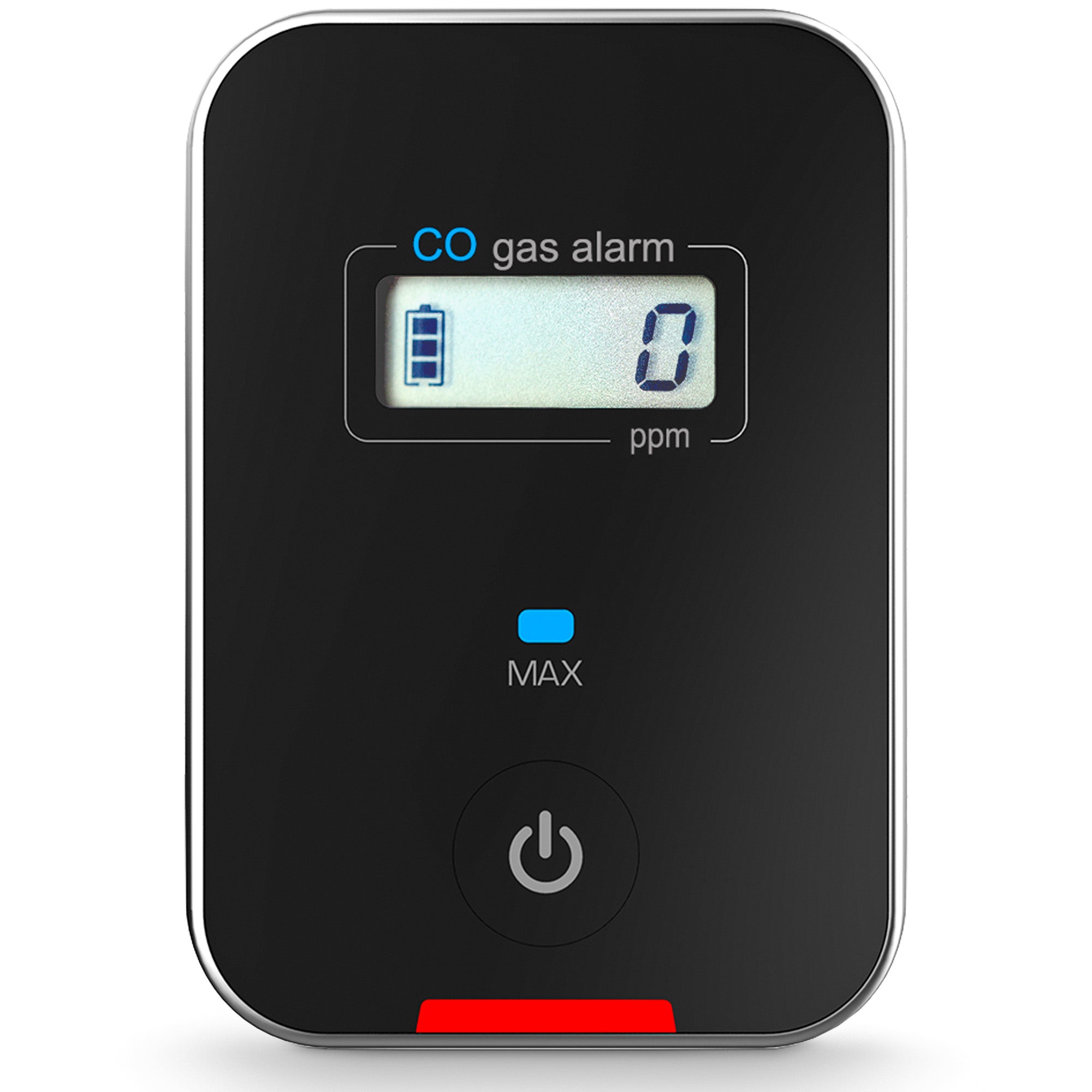
Workplace refuge is one of the most indispensable priorities in Bodoni industrial operations. Many industries, including oil and gas, chemical substance manufacturing, mining, and effluent treatment, deal with risky gases on a ground. These gases can be harmful, combustible, or capable of displacing atomic number 8, creating life-threatening conditions for workers. The most treacherous panorama is that gas leaks are often concealed and inodorous, making them extremely indocile to observe without specialized equipment. Even a small undiscovered leak can rapidly turn into a serious accident, causing injuries, production losses, or situation damage.
Traditional refuge methods are no yearner enough in today s fast-paced heavy-duty environments. Companies need reliable, persisting monitoring solutions that can detect gas hazards outright and ply early on warnings. This helps prevent accidents before they escalate and ensures a safer workings for employees.
This is where gas detection systems premeditated for maximum workplace safety become requisite. These high-tech systems cater real-time monitoring, precise detection, and immediate alerts, ensuring that unsafe gas conditions are identified and restricted without delay.
Importance of Gas Detection in Workplace Safety
Industrial workplaces are often unclothed to a variety of gas-related risks. Without proper signal detection systems, these risks can go unobserved until they become vulnerable.
Common Workplace Gas Hazards:
Toxic gas such as carbon monoxide or atomic number 1 sulfide
Fire and plosion risks from combustible gases
Oxygen lack in confined or badly vented areas
Long-term wellness personal effects from repeated to vesicant gases
Gas signal detection systems play a material role in distinguishing these hazards early and preventing serious incidents.
How Modern Gas Detection Systems Work
Advanced gas signal detection systems use sensitive sensors and well-informed monitoring technology to incessantly analyze air quality in real time. These systems are premeditated to observe even the smallest changes in gas .
Core Detection Technologies:
Electrochemical Sensors: Detect virulent gases with high precision
Infrared Sensors: Measure combustible gases and carbon levels
Catalytic Sensors: Identify inflammable gas concentrations
Photoionization Detectors(PID): Detect fickle organic compounds(VOCs)
These technologies work together to control complete and exact gas monitoring in industrial environments.
Key Features of Advanced Gas Detection Systems
Gas signal detection systems designed for uttermost workplace refuge come with hi-tech features that raise reliableness and public presentation.
Essential Features Include:
Continuous real-time monitoring of air quality
Instant appall systems(audible, ocular, and vibe alerts)
Multi-gas signal detection capability
Wireless and remote monitoring options
Data logging for refuge analysis and reporting
Rugged and durable plan for unpleasant environments
These features insure that workplaces continue stormproof at all times, even in extremum conditions.
Role of Gas Detection Systems in Workplace Protection
The primary quill purpose of gas signal detection systems is to prevent accidents by distinguishing hazards before they intensify. Early signal detection allows workers and refuge teams to take immediate sue.
Workplace Protection Functions:
Early word of advice of gas leaks
Immediate alerts
Automatic activation of safety systems
Continuous monitoring of restrained spaces
Support for emergency response planning
This active set about significantly reduces the risk of workplace accidents.
Benefits of Maximum Safety Gas Detection Systems
Investing in advanced gas detection systems provides long-term refuge and operational benefits for industries.
Key Benefits:
Enhanced Worker Safety: Protects employees from unsafe exposure
Accident Prevention: Detects gas leaks before they become dangerous
Regulatory Compliance: Helps meet workplace safety standards
Operational Efficiency: Reduces downtime caused by emergencies
Environmental Protection: Minimizes vesicant meilleur analyseur de combustion emissions
These benefits make gas detection systems a vital part of heavy-duty refuge substructure.
Applications in Industrial Workplaces
Gas signal detection systems are wide used across industries where air tone monitoring is vital for refuge.
Common Applications Include:
Oil and gas and refining
Chemical and petrochemical plants
Mining and tunneling operations
Manufacturing and processing facilities
Waste treatment and storage sites
In all these environments, constant gas monitoring is necessity for safe trading operations.
Importance of Real-Time Monitoring
Real-time monitoring is one of the most operative features of Bodoni gas signal detection systems. It ensures immediate sentience of desperate conditions.
Real-Time Monitoring Advantages:
Instant detection of dangerous gases
Faster response
Remote monitoring of ternary locations
Improved safety decision-making
Reduced risk of large-scale incidents
This engineering helps industries stay prepared for any abrupt gas-related emergencies.
Choosing the Right Gas Detection System
Selecting the right system of rules is necessity for achieving level bes work safety. Different environments need different detection capabilities.
Key Factors to Consider:
Type of gases submit in the workplace
Sensitivity and truth of sensors
Environmental conditions such as temperature and humidity
System strength and sustentation requirements
Integration with present refuge systems
A properly chosen system ensures dependable and long-term tribute.
Conclusion
Workplace safety in industrial environments depends to a great extent on exact and persisting gas monitoring. Without specific detection systems, workers and operations continue vulnerable to serious risks caused by undetectable gas hazards.
Gas detection systems designed for utmost workplace safety supply a trustworthy and operational root by offer real-time monitoring, minute alerts, and sophisticated safety features. By investing in these systems, industries can significantly meliorate safety standards, prevent accidents, and produce a procure working environment for everyone.