
Silica gel packets are those small paper or fabric sachets you often find inside shoe boxes, medicine bottles, handbags, electronics packaging, and food containers.
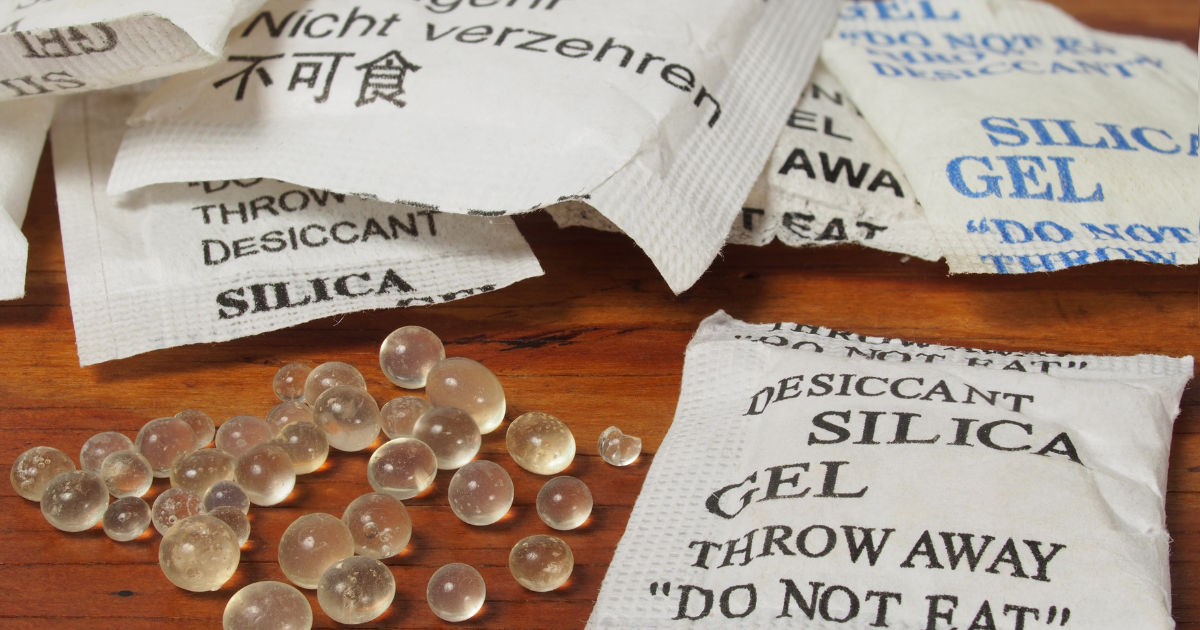
Many people notice them, read the warning label, and throw them away without a second thought. However, silica gel packets play an important role in protecting products from damage caused by moisture. Understanding what silica gel packets are and how they work can help you appreciate why they are used so widely across industries.
Silica gel packets are not just random fillers added to packaging. They are carefully designed moisture-control tools that help keep items dry, fresh, and safe during storage and transport. From preventing mold growth to protecting electronics from corrosion, silica gel packets serve a valuable purpose in everyday life.
In this comprehensive guide, we will explore what silica gel packets are made of, how they work, why they are so effective, where they are used, and whether they are safe. By the end, you will have a clear and practical understanding of silica gel packets and their importance.
What Are Silica Gel Packets?
Silica gel packets are small sachets filled with silica gel, a form of silicon dioxide. Silicon dioxide is a naturally occurring compound found in sand, quartz, and even some living organisms. In silica gel packets, this compound is processed into small, hard, porous beads or granules that are sealed inside breathable packets.
The word “gel” can be misleading. Silica gel packets do not contain liquid or soft gel. Instead, they hold solid beads that have an extremely high surface area. This structure allows silica gel packets to absorb moisture from the air very efficiently.
Silica gel packets are designed to regulate humidity within a closed environment. When placed inside packaging, they help keep moisture levels low, reducing the risk of damage to the enclosed product. This simple yet powerful function makes silica gel packets a standard solution for moisture control.
The Science Behind Silica Gel Packets
To understand how silica gel packets work, it helps to look at the science behind them. Silica gel is an amorphous form of silicon dioxide, meaning it does not have a regular crystal structure. This irregular structure creates millions of microscopic pores throughout each bead.
These pores attract and hold water molecules through a process called adsorption. Adsorption is different from absorption. Instead of soaking up water like a sponge, silica gel packets bind moisture to their surface at a molecular level.
Because of this process, silica gel packets can hold a significant amount of moisture relative to their size. A small packet can absorb up to 40 percent of its weight in water vapor, depending on environmental conditions. This makes silica gel packets extremely efficient at controlling humidity.
How Silica Gel Packets Work Step by Step
Silica gel packets begin working as soon as they are placed inside a sealed or semi-sealed environment. Moist air naturally circulates within the space, and water vapor comes into contact with the silica gel beads inside the packet.
The pores in the silica gel attract water molecules. These molecules stick to the surface of the pores and remain trapped there. As more moisture is adsorbed, the overall humidity level inside the package decreases.
Silica gel packets continue to work until their pores are saturated. Once fully saturated, they can no longer absorb additional moisture. In some cases, silica gel packets can be reactivated by heating them to drive off the absorbed water, allowing them to be reused.
Why Silica Gel Packets Are Used So Widely
Silica gel packets are used across many industries because they are reliable, affordable, and effective. Moisture can cause serious problems for a wide range of products, including mold growth, rust, corrosion, and spoilage.
By using silica gel packets, manufacturers can extend the shelf life of their products and ensure that items reach consumers in good condition. Silica gel packets help maintain quality during long shipping journeys and storage periods.
Another reason silica gel packets are so popular is their versatility. They can be used in small packages like pill bottles or large shipping containers. This flexibility makes silica gel packets suitable for almost any moisture-sensitive product.
Common Uses of Silica Gel Packets
Silica gel packets appear in many everyday products, often without much notice. One of the most common places you find silica gel packets is inside shoe boxes. Shoes can develop mold or unpleasant odors if exposed to moisture, and silica gel packets help keep them dry.
Electronics packaging almost always includes silica gel packets. Moisture can damage circuit boards, cause corrosion, and lead to device failure. Silica gel packets protect electronics during shipping and storage.
Silica gel packets are also used in food packaging, especially for dried foods, snacks, and supplements. They help maintain dryness and prevent clumping or spoilage. In medicine bottles, silica gel packets protect tablets and capsules from humidity, preserving their effectiveness.
Silica Gel Packets in Clothing and Textiles
Clothing and textiles are another major area where silica gel packets are used. Fabrics can absorb moisture easily, leading to mildew, discoloration, or unpleasant smells. Silica gel packets placed inside garment packaging help maintain dryness.
Luxury items such as leather bags, wallets, and jackets often come with silica gel packets. Leather is especially sensitive to humidity and can crack or grow mold if not stored properly. Silica gel packets help preserve the quality and appearance of these items.
For long-term storage of seasonal clothing, adding silica gel packets to storage boxes can reduce moisture buildup and protect fabrics over time.
Silica Gel Packets in Food and Supplements
Silica gel packets play a critical role in food safety when used correctly. While they should never be eaten, they help keep food products dry. Moisture can lead to bacterial growth, spoilage, and changes in texture.
In spice containers, silica gel packets prevent clumping caused by humidity. In dried fruits and snacks, they help maintain freshness. Dietary supplements often include silica gel packets to protect sensitive ingredients from moisture degradation.
Food-grade silica gel packets are specially designed to be safe when used around food products. They are clearly labeled and sealed to prevent leakage.
Are Silica Gel Packets Toxic?
One of the most common questions people ask about silica gel packets is whether they are toxic. Silica gel itself is generally non-toxic. The main danger comes from the risk of choking, especially for children and pets.
Silica gel packets often include warning labels such as “Do Not Eat” because swallowing the beads or the packet can cause physical harm. Some silica gel packets may also contain indicator beads that change color when saturated. Older indicator beads sometimes used chemicals that could be harmful if ingested.
Modern silica gel packets are safer than ever, but they should still be kept out of reach of children and animals. Understanding their purpose helps reduce unnecessary fear while promoting responsible use.
Indicator Silica Gel Packets Explained
Some silica gel packets contain indicator beads that change color based on moisture levels. These beads provide a visual cue to show whether the silica gel packets are still effective.
For example, indicator beads may turn from blue to pink or from orange to green as they absorb moisture. When the color changes, it signals that the silica gel packets are saturated and may need replacement or reactivation.
Indicator silica gel packets are especially useful in industrial, laboratory, or storage settings where precise moisture control is important.
Can Silica Gel Packets Be Reused?
One of the advantages of silica gel packets is that they can often be reused. When silica gel packets become saturated, they can sometimes be dried out by heating them.
Placing silica gel packets in an oven at a low temperature can drive off the absorbed moisture. Once dried, the silica gel packets regain their ability to adsorb water vapor. This makes them a cost-effective and environmentally friendly option.
However, not all silica gel packets are designed for reuse. Always check the manufacturer’s instructions before attempting to reactivate them.
Environmental Impact of Silica Gel Packets
Silica gel packets are generally considered environmentally safe. Silica gel is made from natural materials and does not dissolve in water or release harmful chemicals under normal conditions.
That said, silica gel packets are often thrown away after a single use, contributing to packaging waste. Reusing or recycling silica gel packets where possible can reduce their environmental impact.
Some companies are now producing biodegradable or recyclable silica gel packets to address sustainability concerns. As awareness grows, more eco-friendly options are becoming available.
Silica Gel Packets vs Other Desiccants
Silica gel packets are not the only desiccants available. Other moisture-absorbing materials include clay desiccants, calcium chloride, and molecular sieves. Each has its own strengths and limitations.
Silica gel packets are favored because they are stable, non-corrosive, and effective across a wide range of temperatures. Clay desiccants are cheaper but less efficient. Calcium chloride absorbs more moisture but can leak liquid, making it unsuitable for many products.
Molecular sieves offer precise moisture control but are more expensive. For most consumer and industrial applications, silica gel packets provide the best balance of performance and cost.
How to Use Silica Gel Packets at Home
Silica gel packets can be useful beyond their original packaging. Many people reuse silica gel packets around the home to control moisture in drawers, closets, and storage boxes.
Placing silica gel packets with important documents can protect them from humidity damage. In toolboxes, silica gel packets help prevent rust. In camera bags, they protect lenses and electronics from moisture.
By understanding how silica gel packets work, you can find practical ways to reuse them and extend their value.
Safety Tips for Handling Silica Gel Packets
While silica gel packets are generally safe, basic precautions should be followed. Always keep silica gel packets away from children and pets. Do not open the packets or ingest the contents.
If a silica gel packet breaks open, clean up the beads promptly to avoid choking hazards. Wash your hands after handling large quantities of silica gel packets, especially in industrial settings.
Following these simple safety tips ensures that silica gel packets remain helpful rather than harmful.
Misconceptions About Silica Gel Packets
Many myths surround silica gel packets. One common misconception is that silica gel packets are poisonous. In reality, most silica gel packets are non-toxic but still dangerous if swallowed.
Another myth is that silica gel packets stop working quickly. In fact, silica gel packets remain effective until fully saturated, which can take weeks or months depending on conditions.
Some people believe silica gel packets can dry out anything completely. While they reduce humidity, they cannot remove liquid water or reverse water damage.
Understanding these misconceptions helps people use silica gel packets more effectively and safely.
The Role of Silica Gel Packets in Shipping and Storage
Shipping and storage environments often expose products to temperature changes and humidity fluctuations. Silica gel packets help stabilize these conditions by controlling moisture levels.
During international shipping, products may travel through humid climates or experience condensation. Silica gel packets reduce the risk of moisture-related damage during transit.
Warehouses also rely on silica gel packets for long-term storage of sensitive goods. This makes silica gel packets an essential part of global supply chains.
Choosing the Right Silica Gel Packets
Not all silica gel packets are the same. They come in different sizes, shapes, and moisture-absorbing capacities. Choosing the right silica gel packets depends on the size of the space and the level of humidity control needed.
Small silica gel packets work well for pill bottles and small containers. Larger packets or canisters are better for storage boxes, safes, and shipping containers.
Understanding your specific needs ensures that silica gel packets provide maximum protection.
Conclusion
Silica gel packets may be small and often overlooked, but their impact is significant. They protect products from moisture damage, extend shelf life, and preserve quality across countless industries. From electronics and clothing to food and medicine, silica gel packets quietly perform an essential task.
By understanding what silica gel packets are and how they work, you can use them more effectively and safely. Whether you choose to reuse them at home or simply appreciate their role in packaging, silica gel packets prove that even the smallest tools can make a big difference.
As awareness grows and sustainable options expand, silica gel packets will continue to play a vital role in moisture control for years to come.