
When it comes to electrical installations, one of the most important factors you need to consider is the power cable voltage rating. Whether you are setting up a home electrical system, an industrial plant, or a commercial building, knowing the voltage rating of your cables is crucial for safety, efficiency, and performance.
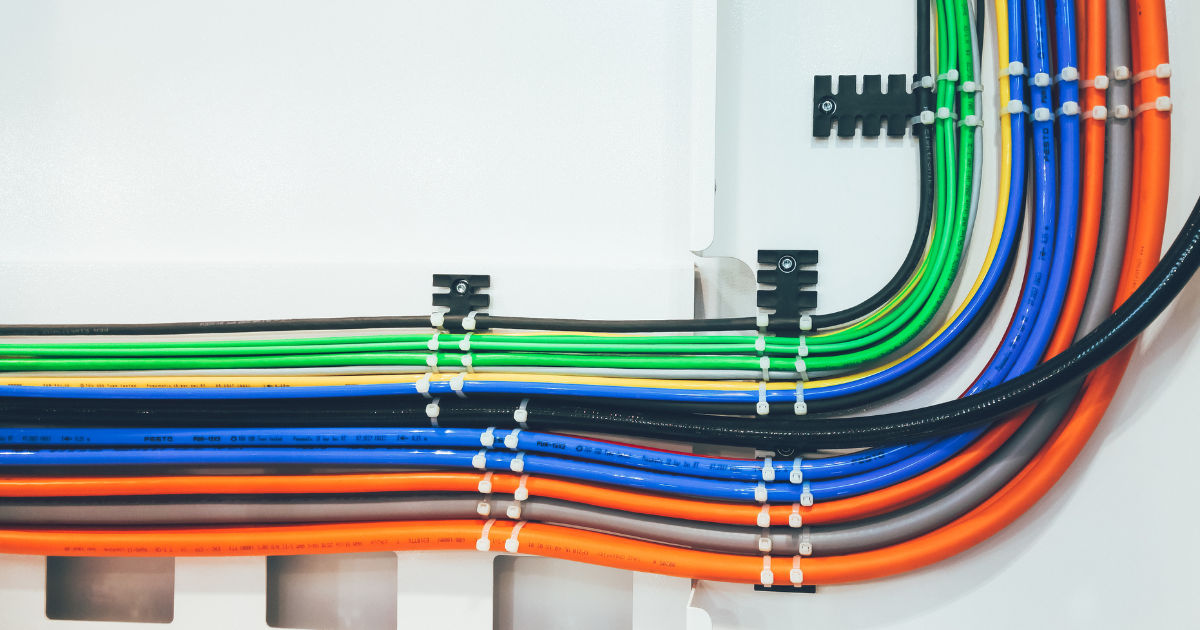 If you are looking for a reliable source, a Fast Cables Supplier in Karachi can provide high-quality power cables suitable for all voltage levels.
In this comprehensive guide, we will explore what voltage rating means, why it matters, types of voltage ratings, how to choose the right cable, and more.
By the end of this article, you will have a clear understanding of power cable voltage ratings and how to select the right cable for your electrical needs.
Understanding Power Cable Voltage Rating
A power cable voltage rating is the maximum voltage that a cable can safely handle without breaking down or getting damaged. It is essentially a measure of how much electrical stress a cable can withstand. Every cable has a voltage limit, and exceeding this limit can cause insulation failure, short circuits, or even fire hazards.
Voltage rating is usually printed on the cable jacket or mentioned in the cable specification sheet. It is an essential factor for electricians, engineers, and homeowners who want to ensure safe and reliable electrical installations.
Why Voltage Rating Matters
The voltage rating of a power cable is not just a technical detail—it directly affects safety and performance. Here’s why it is important:
-
Prevents Overheating: Cables used above their voltage rating may overheat, which can damage the insulation and conductor.
-
Avoids Electrical Failures: Using the right voltage-rated cable prevents electrical breakdowns and ensures continuous power flow.
-
Ensures Safety: Correct voltage rating reduces the risk of electric shocks, fires, and equipment damage.
-
Compliance with Standards: Electrical codes and regulations require cables to match their rated voltage for legal and safety compliance.
A Fast Cables Supplier in Karachi can guide you on selecting cables with the correct voltage rating for residential, commercial, and industrial projects.
How Power Cable Voltage Rating Is Determined
Voltage rating depends on multiple factors, including the cable design, insulation type, conductor material, and environmental conditions.
Conductor Material
The most common conductor materials are copper and aluminum. Copper is more conductive and can carry more current at lower temperatures, but aluminum is lighter and cheaper. The conductor type affects the maximum voltage the cable can safely handle.
Insulation Type
Insulation is the protective layer around the conductor that prevents electrical leakage. Common insulation types include PVC, XLPE, and rubber. Each insulation material has a specific voltage withstand capability. For example:
-
PVC (Polyvinyl Chloride) is suitable for low to medium voltage cables.
-
XLPE (Cross-Linked Polyethylene) can handle higher voltages, often used in industrial and utility applications.
Cable Construction
The construction of the cable, including the thickness of insulation, shielding, and number of conductors, also determines its voltage rating. Thicker insulation and proper shielding allow the cable to handle higher voltages safely.
Common Voltage Ratings of Power Cables
Power cables are classified based on their voltage rating. Here are the most common categories:
Low Voltage (LV) Cables
Low voltage cables are rated up to 1 kV (1000 volts). They are used for domestic wiring, office buildings, and small commercial installations. Examples include:
-
0.6/1 kV cables
-
450/750 V cables
Medium Voltage (MV) Cables
Medium voltage cables are rated from 1 kV up to 33 kV. These cables are used in industrial installations, power distribution networks, and large commercial buildings. Examples include:
-
3.3 kV, 6.6 kV, 11 kV, and 33 kV cables
High Voltage (HV) Cables
High voltage cables are rated above 33 kV and are primarily used in transmission networks and power plants. They require specialized insulation and construction to safely transmit high voltage electricity over long distances. Examples include:
-
66 kV, 110 kV, 220 kV, and higher
Factors Affecting Cable Voltage Rating
Several factors influence the voltage rating of a power cable, including:
-
Ambient Temperature: Higher temperatures can reduce the voltage rating of a cable.
-
Installation Environment: Cables installed underground, underwater, or in chemical environments may require higher-rated insulation.
-
Conductor Size: Larger conductors can handle more current but may not necessarily increase voltage rating.
-
Mechanical Stress: Cables exposed to bending, pulling, or pressure need stronger insulation to maintain their voltage rating.
How to Read a Cable Voltage Rating
Understanding cable markings is essential to select the right cable. A typical power cable marking looks like this:
NYM 3×2.5 mm² 0.6/1 kV
Here’s what it means:
-
NYM: Type of cable
-
3×2.5 mm²: Three conductors, each 2.5 mm² in cross-sectional area
-
0.6/1 kV: Voltage rating (0.6 kV phase to neutral, 1 kV phase to phase)
The voltage rating ensures that the cable can safely handle the specified electrical load without insulation breakdown.
Choosing the Right Cable for Your Project
Selecting a cable with the correct voltage rating is crucial for safety and performance. Here’s how to choose:
Step 1: Determine the System Voltage
Check the voltage of the electrical system you are connecting to. For homes, it’s usually 220–240V. Industrial systems may require medium or high voltage cables.
Step 2: Check Load Requirements
Calculate the total load (in amps or watts) that the cable needs to carry. This ensures that the conductor size matches the current demand.
Step 3: Consider Installation Conditions
Decide whether the cable will be installed indoors, outdoors, underground, or exposed to chemicals or heat. Environmental factors may require a higher voltage-rated cable.
Step 4: Consult Experts
A Fast Cables Supplier in Karachi can recommend the right cable type, insulation, and voltage rating for your specific project. Expert advice is crucial to avoid mistakes that can be costly or dangerous.
Common Misconceptions About Voltage Rating
There are several myths about power cable voltage ratings. Understanding these can help you make better decisions:
-
Higher Voltage Rating Means Higher Current Capacity: False. Voltage rating and current-carrying capacity are different. A cable may have a high voltage rating but still cannot carry high current.
-
All Cables Can Handle Any Voltage for Short Periods: False. Even brief exposure to voltages higher than the rating can damage insulation.
-
Thicker Cables Are Always Better: False. Thickness affects current capacity, not necessarily voltage rating.
Safety Tips for Using Power Cables
Safety should always be the top priority when working with electrical cables. Here are some key tips:
-
Always use cables with the correct voltage rating.
-
Avoid running cables through sharp edges or hot surfaces.
-
Do not overload the cable with excessive current.
-
Keep cables away from water or chemicals unless specifically rated.
-
Regularly inspect cables for wear and tear.
How Fast Cables Supplier in Karachi Helps
Finding a trustworthy supplier is critical for sourcing high-quality cables. A Fast Cables Supplier in Karachi offers:
-
Cables with verified voltage ratings
-
Expert advice on selection and installation
-
Custom cable solutions for specific projects
-
Compliance with local and international standards
-
Fast delivery and support for urgent requirements
By choosing a reliable supplier, you can ensure the safety, efficiency, and longevity of your electrical system.
Conclusion
Understanding the power cable voltage rating is essential for safe and efficient electrical installations. It ensures that cables can handle the electrical load without overheating, insulation breakdown, or fire hazards. From low voltage home wiring to high voltage industrial systems, selecting the correct voltage-rated cable is critical.
A Fast Cables Supplier in Karachi can be your go-to partner for high-quality cables and expert guidance. Whether you are an electrician, engineer, or homeowner, investing in the right cables and understanding their voltage rating will protect your equipment, property, and most importantly, lives.
Choosing the correct voltage-rated cable, considering the environmental factors, and consulting with experts will guarantee a safe and efficient electrical setup. Always prioritize safety, quality, and compliance with standards when selecting your power cables.