Streetwear has transformed from a simple fashion choice into a powerful form of self-expression.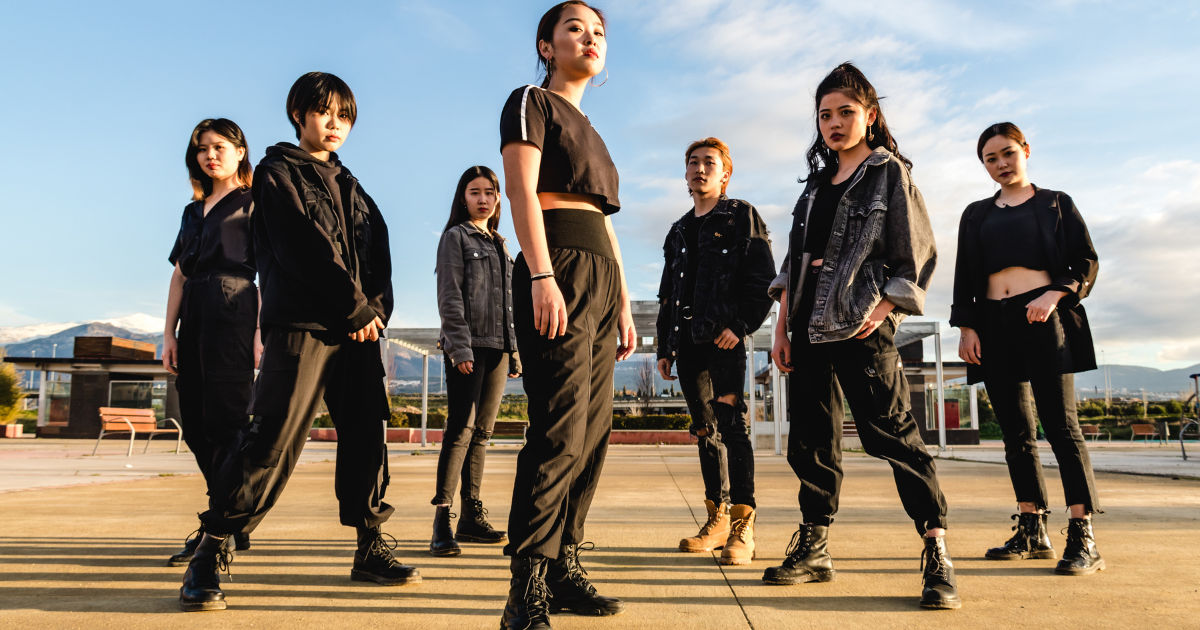
Among the most influential brands shaping this movement, Corteiz Youth Streetwear stands out. It’s not just about wearing trendy clothes; it’s about creating an identity that communicates who you are, how you feel, and how you want the world to perceive you.
This blog explores why streetwear identity matters for self-expression, how it affects youth culture, and the deeper social, psychological, and cultural implications of wearing streetwear today.
Streetwear allows individuals to articulate personality, values, and tastes without saying a word. For many, especially young adults, brands like Corteiz Youth Streetwear are more than just fashion—they’re symbols of belonging, creativity, and confidence.
The choice of streetwear pieces can reflect mood, social alignment, or even rebellion against mainstream culture. Understanding this identity-driven fashion is crucial to appreciating its impact on self-expression.
The Origins of Streetwear and Its Cultural Impact
Streetwear emerged in the late 20th century as a fusion of skate culture, hip-hop, and punk influences. Initially, it was a practical, comfortable style for youth engaging in active lifestyles. Over time, it became a cultural statement. Brands like Supreme, Stüssy, and more recently, Corteiz Youth Streetwear, have helped streetwear transcend fashion, turning it into a form of storytelling.
The appeal of streetwear lies in its authenticity. Unlike traditional high fashion, streetwear is grounded in everyday experiences and urban life. Wearing a recognizable brand signals membership in a community that values creativity, individuality, and sometimes counterculture ideals. This makes streetwear not just clothing but a badge of identity.
Streetwear as a Tool for Self-Expression
Self-expression is essential for human identity. Clothing serves as one of the most accessible mediums for conveying personality. Streetwear, with its bold designs, logos, and limited-edition drops, provides a unique way to express personal taste. Choosing a hoodie, sneakers, or T-shirt from Corteiz Youth Streetwear isn’t random—it’s a deliberate statement about who you are.
For young adults, especially, streetwear is a visual language. A colorful, graphic-heavy jacket might communicate energy and creativity, while minimalist designs might reflect sophistication or subtlety. Streetwear allows individuals to construct a narrative about themselves, blending personal style with cultural awareness.
The Role of Community in Streetwear Identity
Streetwear thrives on community. Online forums, social media, and urban hangouts have turned fashion into a social experience. Brands like Corteiz Youth Streetwear cultivate loyal followings, encouraging members to engage, share, and celebrate their style choices. This community aspect reinforces identity because it provides a space to validate one’s aesthetic and taste.
When someone wears streetwear associated with a specific subculture, it signals affiliation. Skateboarders, hip-hop enthusiasts, and art-driven youth find common ground through shared fashion. In this way, streetwear identity isn’t just personal—it’s social. It establishes connections and strengthens the sense of belonging among like-minded peers.
Limited Editions and Exclusivity: Why They Matter
One of the defining features of streetwear is limited releases. A rare hoodie or sneaker from Corteiz Youth Streetwear becomes a symbol of exclusivity. Limited-edition drops create a sense of urgency, encouraging consumers to assert their identity by owning something unique.
Exclusivity in streetwear fosters confidence. Owning a piece that few others have allows individuals to stand out in a crowd. It’s not just about rarity—it’s about signaling taste, effort, and dedication to a particular lifestyle. This exclusivity strengthens the connection between fashion and personal identity, making self-expression more tangible.
Streetwear and Emotional Expression
Fashion is deeply tied to emotions. The colors, textures, and designs chosen can reflect how someone feels or wants to feel. Streetwear allows for this kind of emotional articulation. Bright, bold patterns can represent optimism or rebellion, while muted tones may indicate introspection or subtlety.
Wearing Corteiz Youth Streetwear provides an emotional outlet. It allows youth to translate internal states into external expression. For many, clothing becomes a mirror of mood, a way to communicate without words, and a form of self-validation. The act of curating one’s streetwear collection becomes an empowering ritual of self-discovery.
Streetwear and Identity Formation in Youth
Adolescence and young adulthood are periods of identity formation. During these years, individuals experiment with different social roles, personalities, and styles. Streetwear offers a flexible medium to explore identity without committing to permanent labels.
Brands like Corteiz Youth Streetwear support this exploration. Youth can mix, match, and layer pieces to reflect evolving tastes. Streetwear becomes both a playground and a toolkit for self-expression, enabling young people to experiment with individuality in ways that are culturally relevant and socially recognizable.
Influences of Music, Art, and Social Media
Streetwear identity doesn’t exist in isolation. Music, art, and social media heavily influence its evolution. Hip-hop lyrics, skate videos, Instagram reels, and TikTok trends shape the choices youth make in streetwear.
Corteiz Youth Streetwear, for instance, draws inspiration from urban art, contemporary music, and the aesthetics of city life. When young people adopt these styles, they align themselves with broader cultural narratives, reinforcing a shared identity with peers and creative communities. The fusion of visual culture and fashion amplifies self-expression.
Psychological Benefits of Streetwear Identity
There’s a psychological dimension to streetwear identity. Wearing clothing that resonates with personal taste and community can boost confidence, reduce anxiety, and enhance social engagement. For teenagers and young adults navigating complex social landscapes, this sense of alignment can be crucial.
Streetwear also fosters a sense of mastery. Collecting rare pieces, creating outfits, and understanding fashion trends provide a tangible sense of achievement. By curating a personal style through Corteiz Youth Streetwear, individuals gain agency over how they are perceived, which can strengthen self-esteem and personal satisfaction.
Streetwear in the Workplace and Formal Spaces
While streetwear is primarily casual, its influence is expanding into semi-formal and creative workspaces. Designers and professionals are integrating streetwear elements to express creativity and individuality. Sneakers under a blazer or graphic tees layered under jackets are no longer taboo in progressive environments.
This evolution underscores the adaptability of streetwear identity. It’s not confined to the street—it’s a versatile language of self-expression that bridges casual and formal settings. Corteiz Youth Streetwear provides options that resonate in multiple contexts, allowing wearers to maintain their personal identity across different social environments.
The Future of Streetwear Identity
Streetwear identity will continue to evolve as youth culture, technology, and global connectivity advance. Virtual fashion, NFTs, and digital communities are emerging as extensions of streetwear identity. Brands like Corteiz Youth Streetwear may soon combine physical apparel with digital assets, enabling new layers of self-expression.
As streetwear merges with technology, the line between physical and digital identity blurs. Individuals will be able to express themselves not only through what they wear in real life but also through digital avatars, virtual events, and augmented reality experiences. This expansion will deepen the role of streetwear as a medium for personal storytelling.
How to Cultivate Your Streetwear Identity
Developing a streetwear identity involves more than just buying popular pieces. It requires introspection, research, and creativity. Here are actionable steps to cultivate your own identity through streetwear:
-
Explore Your Personal Aesthetic: Identify colors, patterns, and styles that resonate with your personality. Reflect on your mood, interests, and values.
-
Research Influences: Follow streetwear brands like Corteiz Youth Streetwear, as well as relevant social media accounts, artists, and musicians who align with your taste.
-
Experiment: Mix and match pieces. Don’t be afraid to combine contrasting styles or layer unconventional outfits.
-
Engage with the Community: Join forums, social media groups, and local events. Sharing your style and receiving feedback helps refine your identity.
-
Curate Thoughtfully: Focus on quality over quantity. Limited pieces and unique finds elevate your style and communicate intention.
-
Adapt to Context: Learn how to maintain identity in different environments, whether casual, semi-formal, or online.
By following these steps, streetwear becomes a deliberate tool for self-expression rather than just a trend to follow.
Streetwear Identity Beyond Fashion
Streetwear identity influences more than just clothing choices. It affects music preferences, art, social behavior, and even values. Someone invested in Corteiz Youth Streetwear may prioritize creativity, authenticity, and community engagement in other aspects of life. Fashion, in this sense, is both reflective and formative—it shapes and is shaped by personal identity.
Conclusion:
Streetwear is far more than a trend—it is a lens through which youth express themselves. Corteiz Youth Streetwear exemplifies the intersection of style, community, and self-expression, offering individuals the tools to communicate personality, emotions, and values. From its roots in urban culture to its influence in digital spaces, streetwear continues to empower identity formation and creative storytelling.
By understanding and embracing streetwear identity, individuals can transform their clothing into a canvas for self-expression. It is a dynamic, evolving, and deeply personal way to interact with the world, connect with others, and reflect on who we are. In a society increasingly defined by visual communication, streetwear is a vital language—a language of individuality, creativity, and authenticity.